
Core Team
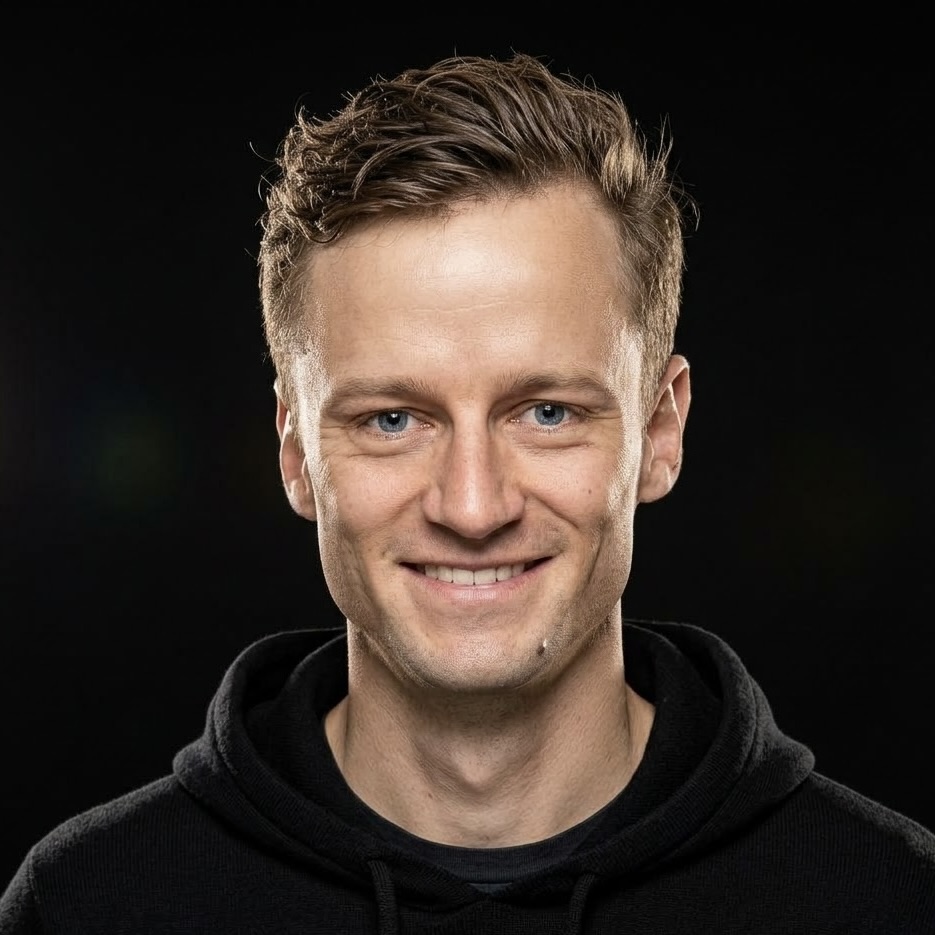
Dr. Peter Westarp, MD
Translational Clinical AI
POSTDOC USZAbout
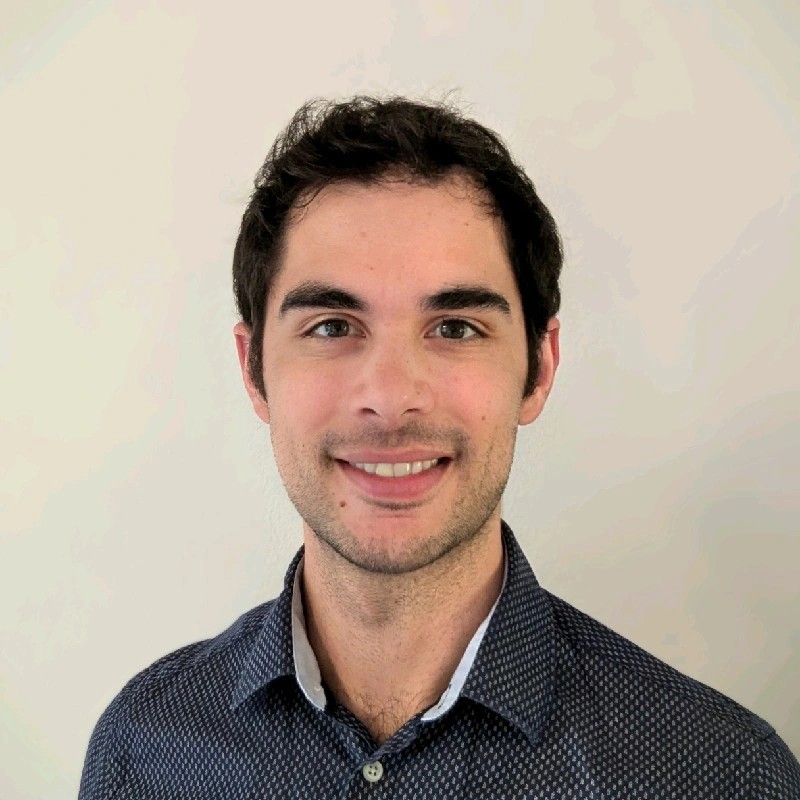
Peter Westarp is a medical doctor and researcher at University Hospital Zurich, where he co-leads the Translational Clinical AI Lab. He studied medicine and translational medicine. Since completing his medical studies in 2022, he has worked in outpatient and inpatient neurology, neurosurgery, emergency medicine and intensive care. Across these settings, he has experienced firsthand the information gaps and everyday workflow challenges clinicians face. He believes the future of healthcare AI lies in combining cloud and locally run systems. Cloud-based capabilities offer access to rapidly evolving models and flexible computing resources; local infrastructure enables greater control over sensitive information, the clinical environment and cost. Peter is driven by the opportunity to shape how intelligent systems become part of medicine. Through TCAI Lab, Peter works to build bridges between AI researchers and clinicians, bringing technical expertise and firsthand clinical experience together around real-world healthcare needs. They connect clinical questions with hands-on development and evaluation, aiming to make emerging AI capabilities useful to patients and the people caring for them.
Research Areas
Project
VOICES — Voice-Based Agentic History Taking
Medical error is a major challenge in healthcare and has been estimated to be the 3rd leading cause of death in the United States. Missing or incomplete patient information contributes substantially to diagnostic error: important symptoms, their timing and relevant prior findings may be absent from the clinical picture at decision time. VOICES focuses on this information-gathering step, exploring how conversational agents can help clinicians work with a more complete patient history. Useful clinical information is often spread across a patient’s account and previous medical reports. Static intake forms, digitized or not, offer limited scope to explore uncertainty or follow up on an unexpected detail. VOICES tries to solve this issue by following a conversational approach: specialised agents gather the history through spoken dialogue, draw on prior documentation and organise the result for clinician review. Local inference and a sound isolated conversation setting are central design elements of the system enabling sovereign and private deployment. Ethics approval has been obtained, and a clinical study is in preparation at USZ. VOICES provides a setting for studying adaptive questioning, coordination between agents and the usefulness of the resulting history to clinicians. As conversational agents become more capable, this work asks how they can capture clinically relevant context while fitting the demands of healthcare. Its longer-term potential is a voice-first clinical intake layer that makes patient information easier to gather, organise and use across care workflows.
Other team members











Pre-Doctoral Researcher
















Interested in collaborating?
We are always looking for talented students, researchers and industry partners.
