
Core Team
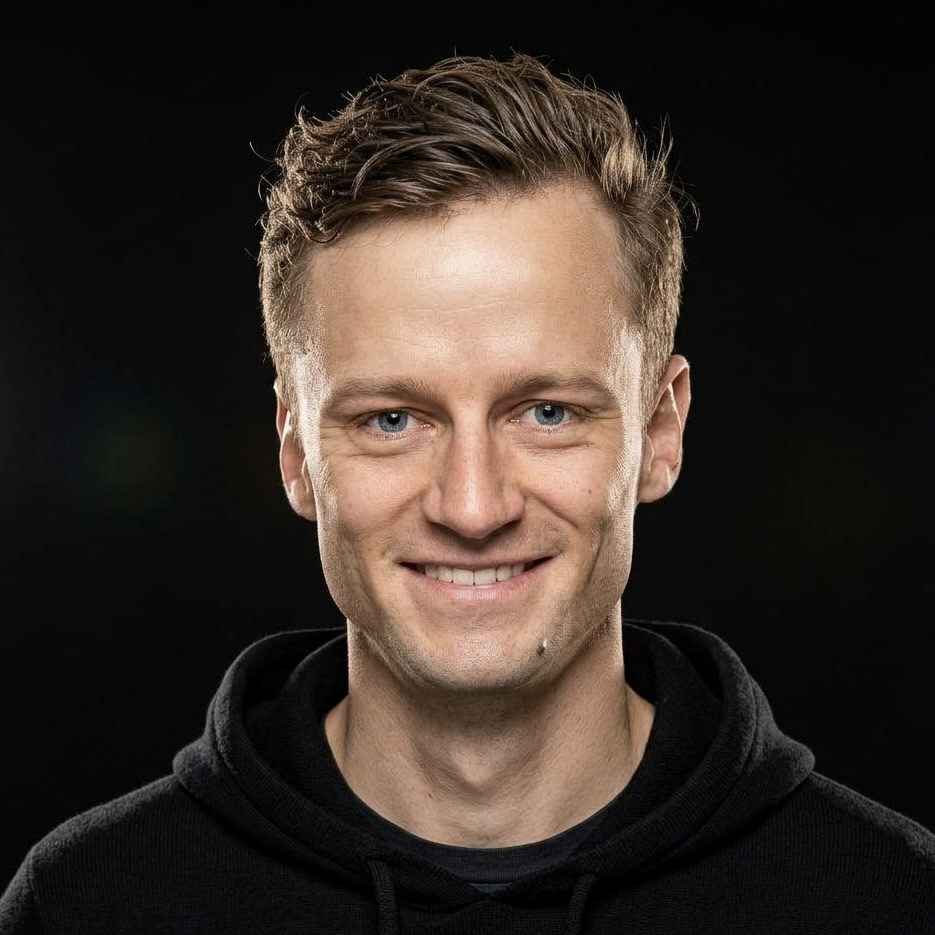
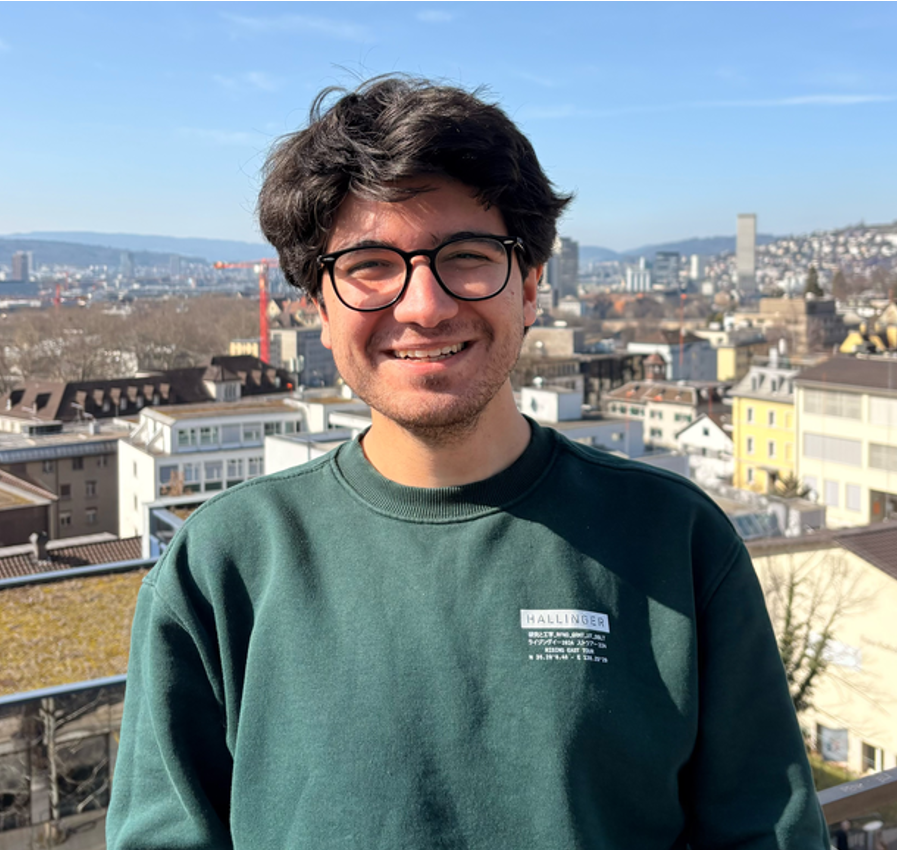
David Schaurecker
AI Forecasting
PhD Researcher ETHAbout
David Schaurecker is a quantitative researcher and physicist focused on the intersection of energy systems, machine learning, and market design. As an ETH Zurich PhD candidate, he works on algorithmic trading strategies for electricity markets, with a particular emphasis on flexible storage assets such as batteries and pumped hydro. His research combines forecasting, optimization, and market microstructure analysis to build systems that can act in real time under physical and economic constraints. Drawing on a background that spans rigorous quantitative methods and applied market research, he is interested in how advanced AI can make energy infrastructure more adaptive, profitable, and resilient in increasingly volatile power systems.
Publications
Research Areas
Project
AI-Driven Intraday Trading for Flexible Energy Storage
Flexible storage assets such as grid-scale batteries and pumped hydro plants are becoming essential for balancing increasingly volatile electricity systems. David’s project develops high-performance trading and dispatch frameworks that allow these assets to participate more effectively in continuous intraday electricity markets. By combining advanced AI-based forecasting with fast dynamic optimization methods, the system identifies short-term market opportunities and determines how storage resources should be deployed in real time. The goal is not only to predict price movements, but to translate those predictions into trading decisions that respect operational constraints and capture value at high frequency. From a scientific perspective, this work sits at a compelling frontier between machine learning, quantitative finance, and energy systems engineering. A core challenge is integrating market microstructure with the physical realities of storage assets, including ramping limits, charge-discharge dynamics, and state-of-charge constraints. Rather than treating forecasting and decision-making as separate steps, the project connects them within a unified optimization framework. This makes it possible to study how learning-based models perform when embedded in real operational environments, offering broader insight into decision-making under uncertainty in tightly constrained cyber-physical systems. As renewable penetration increases, power markets become more fragmented, dynamic, and difficult to navigate manually. Asset owners and operators need systems that can continuously identify value in short-lived market inefficiencies while ensuring reliable asset operation. David’s approach offers a path toward significantly stronger monetization of flexible storage, improved operational efficiency, and more intelligent participation in electricity markets. In practice, such capabilities are highly relevant for utilities, storage developers, energy traders, and infrastructure operators looking to turn flexibility into a durable competitive advantage.
Other team members















Pre-Doctoral Researcher

















Interested in collaborating?
We are always looking for talented students, researchers and industry partners.
